
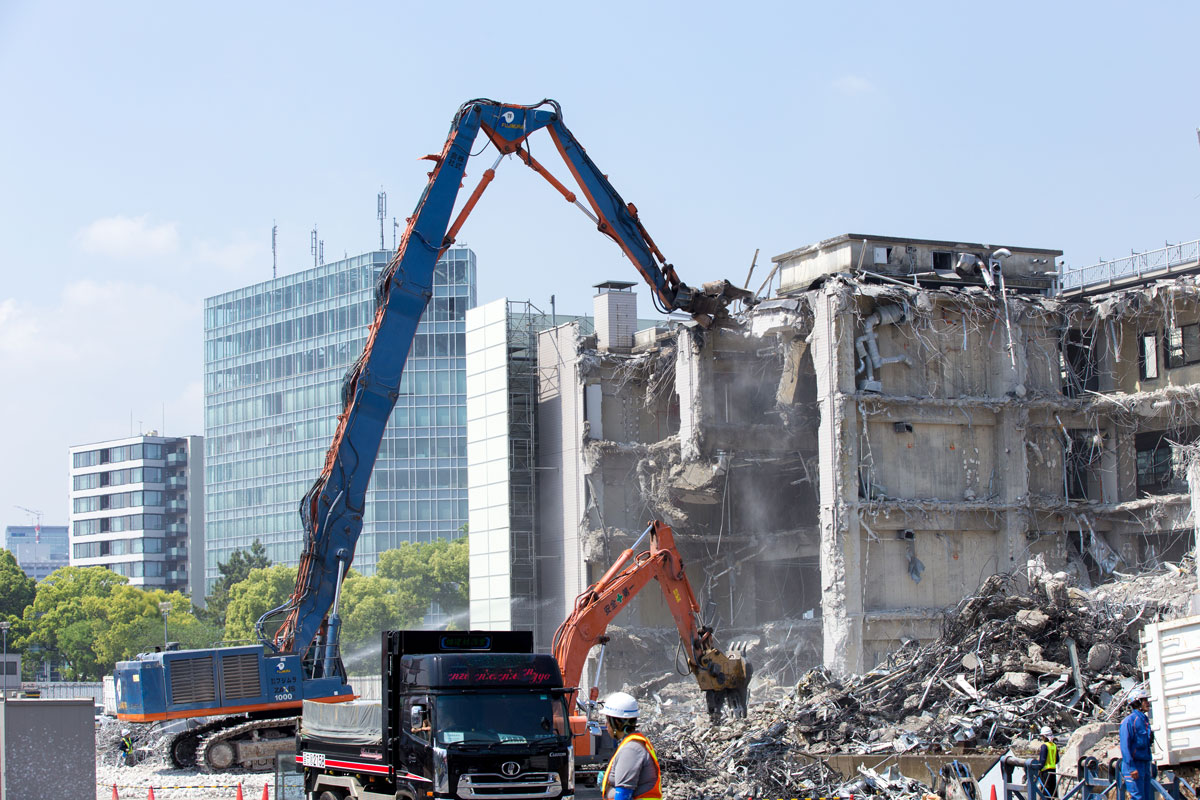
In March 2025, AGC Inc and ORIX Corporation launched Japan’s first horizontal recycling scheme for window glass, marking a significant step forward in the nation’s circular economy efforts. This innovative initiative aims to reduce greenhouse gas emissions, minimize waste, and mitigate resource procurement risks by establishing a closed-loop system in which discarded window glass is transformed into new flat glass.
It pairs the world’s largest glass manufacturer and ORIX, which has been engaged in the waste management business since the 1990s and provides a wide range of solutions contributing to the circular economy.

Traditionally, flat glass manufacturing relies on raw materials such as silica sand and soda ash, with the melting process generating substantial greenhouse gas (GHG) emissions. According to AGC, the use of recycled glass cullet - crushed waste glass - significantly lowers the melting temperature required, thereby reducing both energy consumption and GHG emissions. “We estimate that this recycling process can cut GHG emissions by 0.5 to 0.7 tons per ton of glass produced,” says Yoshihiro Nagao, Group Leader of AGC’s Sustainable Management Foundation Group.
Despite the environmental benefits, horizontal recycling of window glass has not been widely implemented in Japan. Over 500,000 tons of waste window glass are generated annually from building demolitions, yet most is sent to landfill. The main barriers have been the lack of separation during demolition – so that glass is often mixed with other construction waste - and the lack of economic incentivize to recycle. “The idea of ‘repurposing removed glass into flat glass’ simply did not exist because glass waste was not separated or collected,” Mr. Nagao explains.

Energy and Eco Services Headquarters, ORIX
The collaboration between AGC and ORIX began with discussions on the circular economy. Upon learning that most waste window glass from buildings ends up in landfills, Ikumi Nakamura, Head of the Circular Economy Promotion Team at ORIX Corporation’s Environmental Business Promotion Department, said, “We believed we should start with what can be done now, rather than wait for future problems to escalate”.
When AGC developed the concept of horizontal recycling for window glass, ORIX saw an opportunity to leverage its network and expertise to turn the scheme into reality.
A transparent partnership

The recycling process involves several key partners: ORIX Environmental handles the collection and separation of waste window glass, TRE Glass, a specialist recycling firm, processes and ensures the quality of the cullet, and AGC manufactures new flat glass using this recycled material. ORIX acts as the project coordinator, managing the supply chain and facilitating collaboration among all stakeholders.
Ensuring the quality of recycled glass was a major hurdle. “Raw materials derived from waste window glass must meet the same quality standards as virgin materials,” notes Naoya Kobayashi, Manager in AGC’s Sustainable Management Initiatives Group. “Collected glass is often a mixed batch, so the quality of collection, separation, and refinement is fundamental.” Even minor contamination with non-glass materials can render the cullet unsuitable for flat glass production, requiring careful processing and quality assurance.
Economic viability was another critical consideration. Historically, the cost of recycling waste window glass from buildings was deemed prohibitively high, with landfill disposal being the cheaper option. However, as landfill capacity becomes increasingly constrained and reliance on imported raw materials like soda ash grows riskier, the need for sustainable alternatives becomes more pressing. “If it were easily profitable, everyone would already be doing it,” argues Mr. Nagao. “But we cannot wait until landfills are full or resource shortages occur. Someone has to take the first step.”
Expanding vertically and horizontally
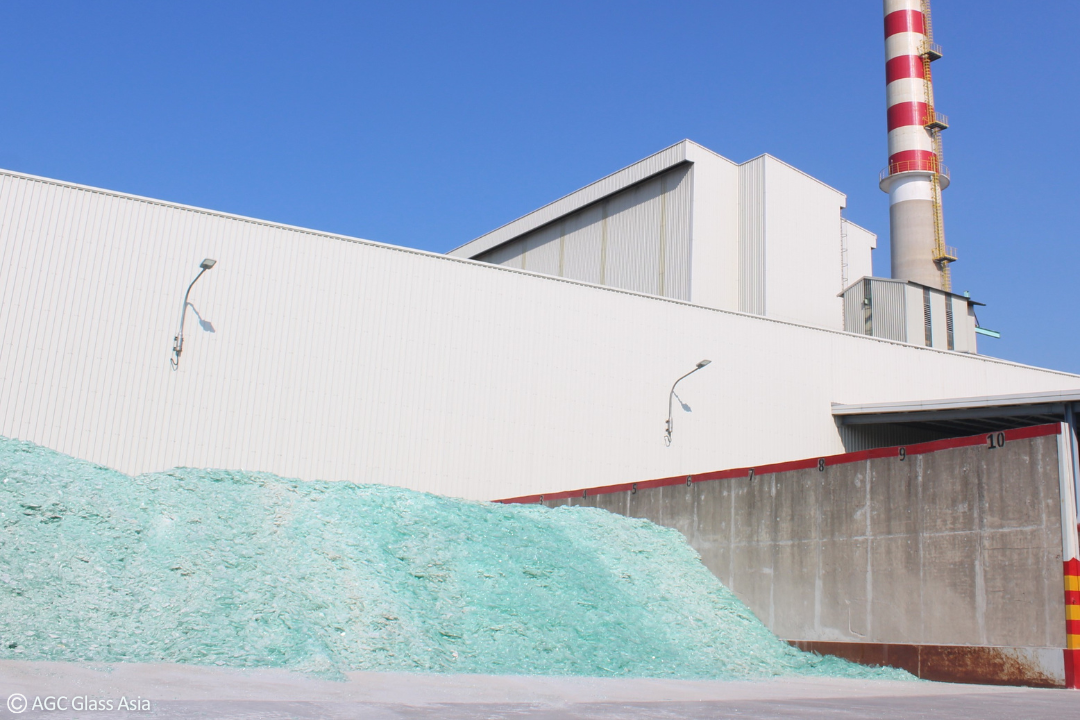
The launch of the scheme has already begun to shift perceptions within the industry. A press release announcing the initiative heightened awareness both within AGC and among industry peers. The Flat Glass Manufactures Association of Japan has since established a special sustainability committee to accelerate the adoption of circular economy practices, sparking active discussions about horizontal recycling among manufacturers and stakeholders.
Looking ahead, AGC and ORIX plan to expand the scheme nationwide. While the current focus is on the Kanto region, demolition and renovation projects generate waste window glass across Japan every day. “Glass can be remelted and reused without any loss of quality, making it theoretically recyclable forever,” Mr. Nagao emphasizes. “We want to make horizontal recycling the norm, so that future generations never have to ask why we discarded something that was still usable.”
The companies also see potential for applying this technology beyond window glass to products such as solar panels and automotive glass. Achieving widespread adoption, however, will require increasing levels of cooperation from demolition contractors, recycling firms, construction companies, property owners, and end-users. “Let’s realize a circular economy beyond just window glass,” Ms. Nakamura concludes. “By leveraging our network, we will continue to support and connect companies to advance these efforts.”
This pioneering initiative demonstrates how cross-industry collaboration and innovation can drive meaningful progress toward a more sustainable and resource-efficient future for Japan.

