
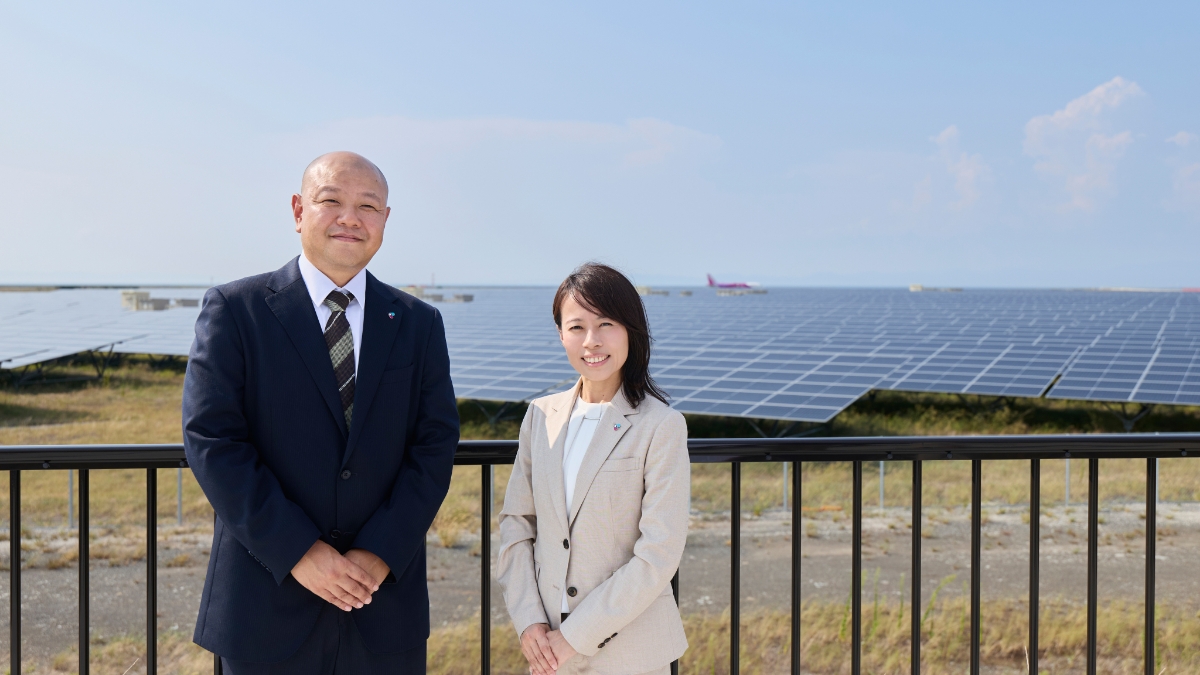
Airports are often described as small cities: they operate around the clock, house diverse infrastructure, and serve as hubs for thousands of people daily. This complexity makes them ideal showcases for ambitious decarbonization efforts.
Kansai Airports, a joint venture between ORIX and France’s VINCI Airports which manages the three main airports in Japan’s western Kansai region -- Kansai International Airport (KIX), Osaka International Airports (Itami), and Kobe Airport – is facing that complexity head on – and setting new standards for sustainability in the aviation sector.
Kansai Airports’ environmental strategy is anchored by three pillars: decarbonization, a circular economy, and coexistence with the environment. The company has set clear goals: by 2030, it aims to reduce CO2 emissions by 50% from 2016 levels; cut single-use plastic by 30%; and lower water usage by 15%. By 2050, it seeks to achieve net-zero greenhouse gas emissions, a 100% resource recycling rate, while also placing a strong emphasis on communication with local communities.
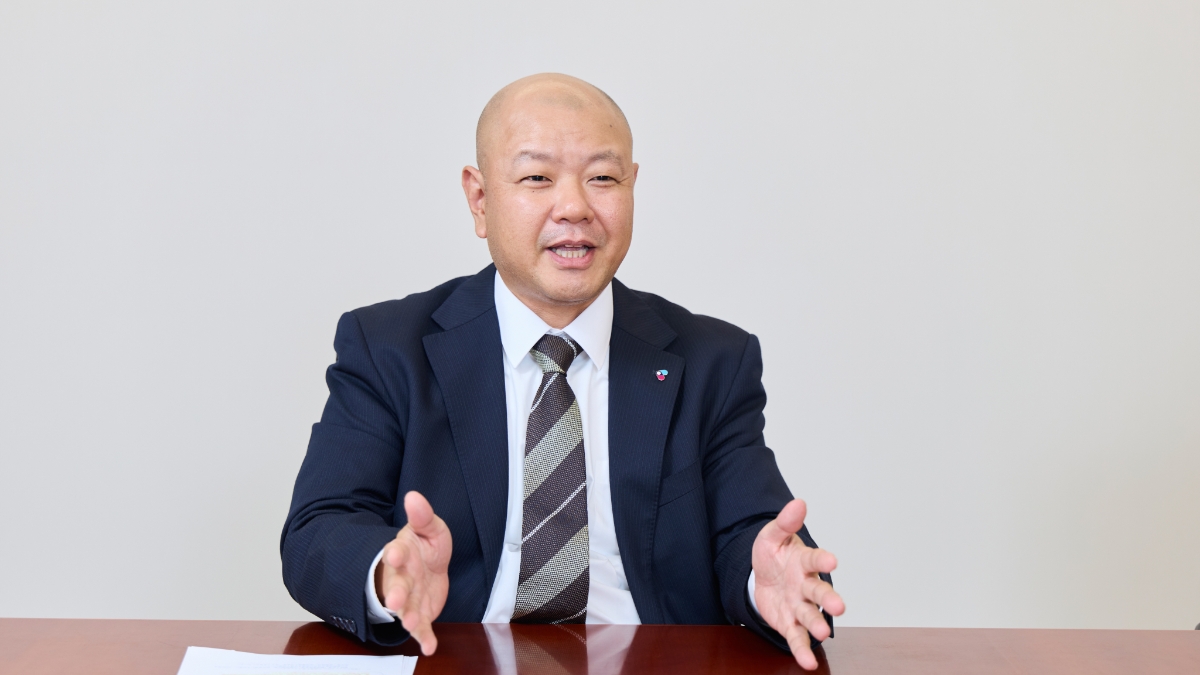
The challenge is formidable. As Kenzo Ikeda, General Manager of the Technical HQ, explains, around 60% of greenhouse gas emissions at airports come from aircraft. This is primarily the responsibility of the airlines and needs to be reduced via more efficient planes, more efficient routes and, critically, the introduction of Sustainable Aviation Fuel (SAF).
However, emissions from airport facilities, ground vehicles, and energy use also need to be tackled and this is the role of the airport operator.
Balancing energy efficiency and renewable power
To meet its targets, Kansai Airports has adopted a dual approach: reducing energy use through efficiency measures, while increasing the share of renewable electricity. “Improving energy efficiency alone isn’t enough to meet our targets,” emphasizes Mr. Ikeda. “It is essential to also generate electricity from renewable sources like solar power.”
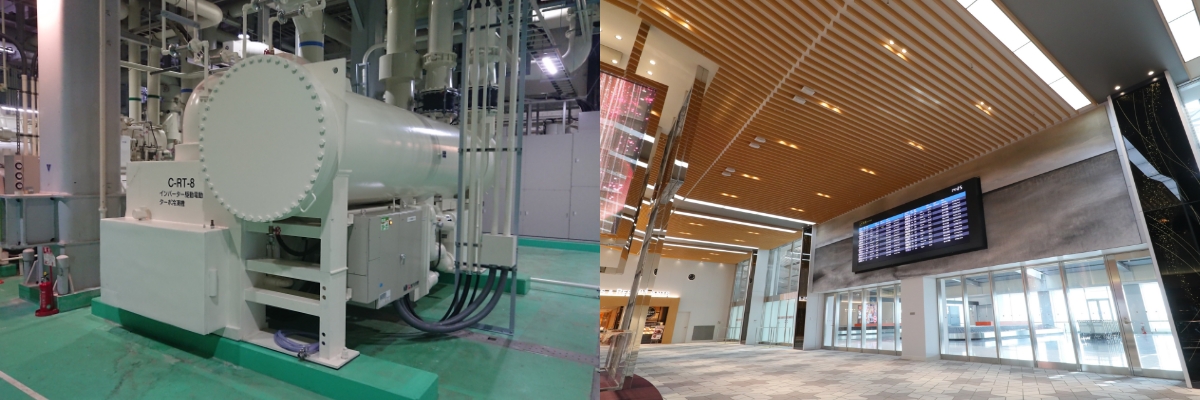
On the efficiency front, facility upgrades include energy-saving HVAC systems, LED lighting, and a real-time energy monitoring system. The airports are also converting all pavement lighting to LEDs, aiming for 100% LED usage at Kansai and Itami by 2030. Ground vehicles are being electrified and, increasingly, powered by hydrogen.
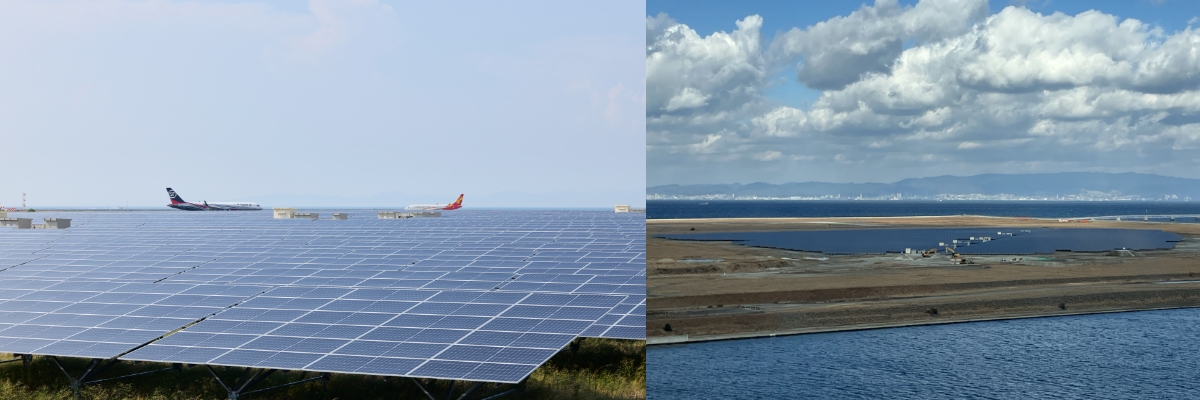
This is being balanced by the Sora×Solar® project, a cornerstone of the group’s decarbonization plans, signed in late 2023 and launched in February 2025. Through a Power Purchase Agreement (PPA) with another part of ORIX Group -- one of Japan’s largest renewable operators with nearly 1 Gigawatt of installed capacity -- Kansai Airports purchases electricity generated by solar panels that ORIX has installed and financed. This system now supplies a significant portion of daytime electricity for Terminal 1 at KIX.
The scale is impressive: 39,740 solar panels at KIX and 960 at Itami, making it the largest solar installation at any Japanese airport. At KIX, panels were installed on unused land, while at Itami, they were placed on the terminal roof. The project’s success hinged on careful planning: panels were sited to avoid interfering with aircraft operations or reflecting too much sunlight, and sized precisely to match daytime demand, avoiding the need for additional costly battery storage.

Yuri Otani, Manager of the Environmental Promotion Group at Kansai Airports, describes the rationale: “Just because you can generate electricity doesn’t mean you’re using it efficiently. We designed the system based on predicted demand.” The result is an expected 15% reduction in CO2 emissions, with performance being closely monitored.
The importance of being ORIX
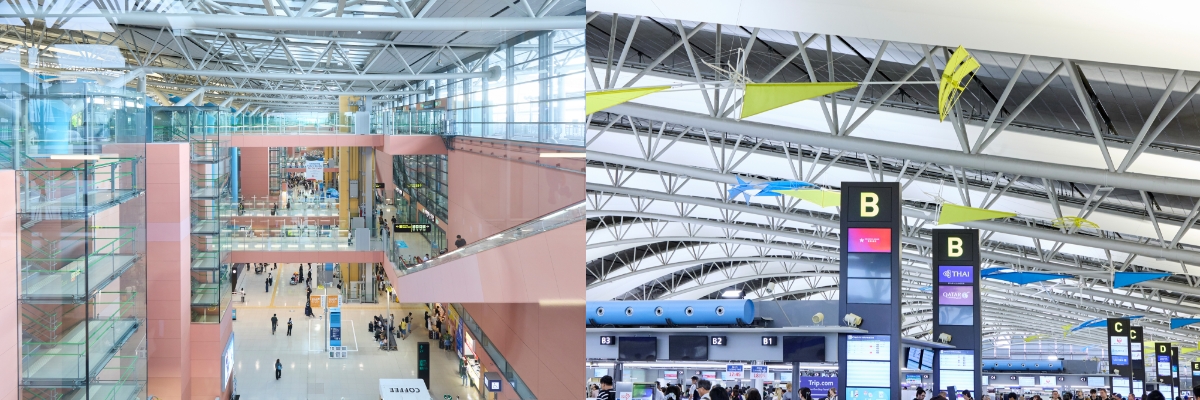
Knowing it could tap into experience inside ORIX Group, Kansai Airports chose to generate power onsite rather than simply buying renewable power. Mr. Otani explains, “There is also the resilience aspect. As airports deepen their relationship with local communities, it becomes increasingly valuable for them to serve as local power hubs in times of need.” This approach not only supports decarbonization but also strengthens the airport’s role as critical infrastructure.
ORIX’s expertise was instrumental in the project’s swift and effective delivery. “When it came time to install renewable energy facilities, something that airports hadn’t traditionally done,” notes Mr. Ikeda, “We received valuable help from ORIX. Thanks to that, the implementation went smoothly.”
The transition from government to private management has also been transformative. ” After we came under private management in 2015, we have adopted a wider view, speeded up our decision making and innovation,” he argues. Mr. Otani adds: “The beauty of our structure is that we can transfer knowledge across our three locations. It’s a collaborative ecosystem.”
Hydrogen, biodiversity, and beyond
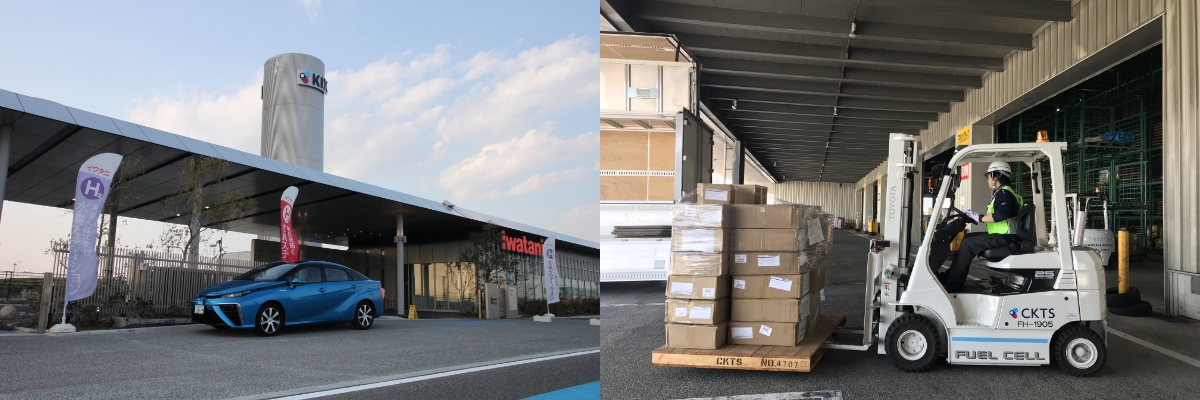
Kansai Airports is already planning the next phase of its solar initiative while also pioneering the use of hydrogen energy. Hydrogen stations at KIX and Itami fuel forklifts, buses, and passenger cars, with ambitions to expand further as technology matures.
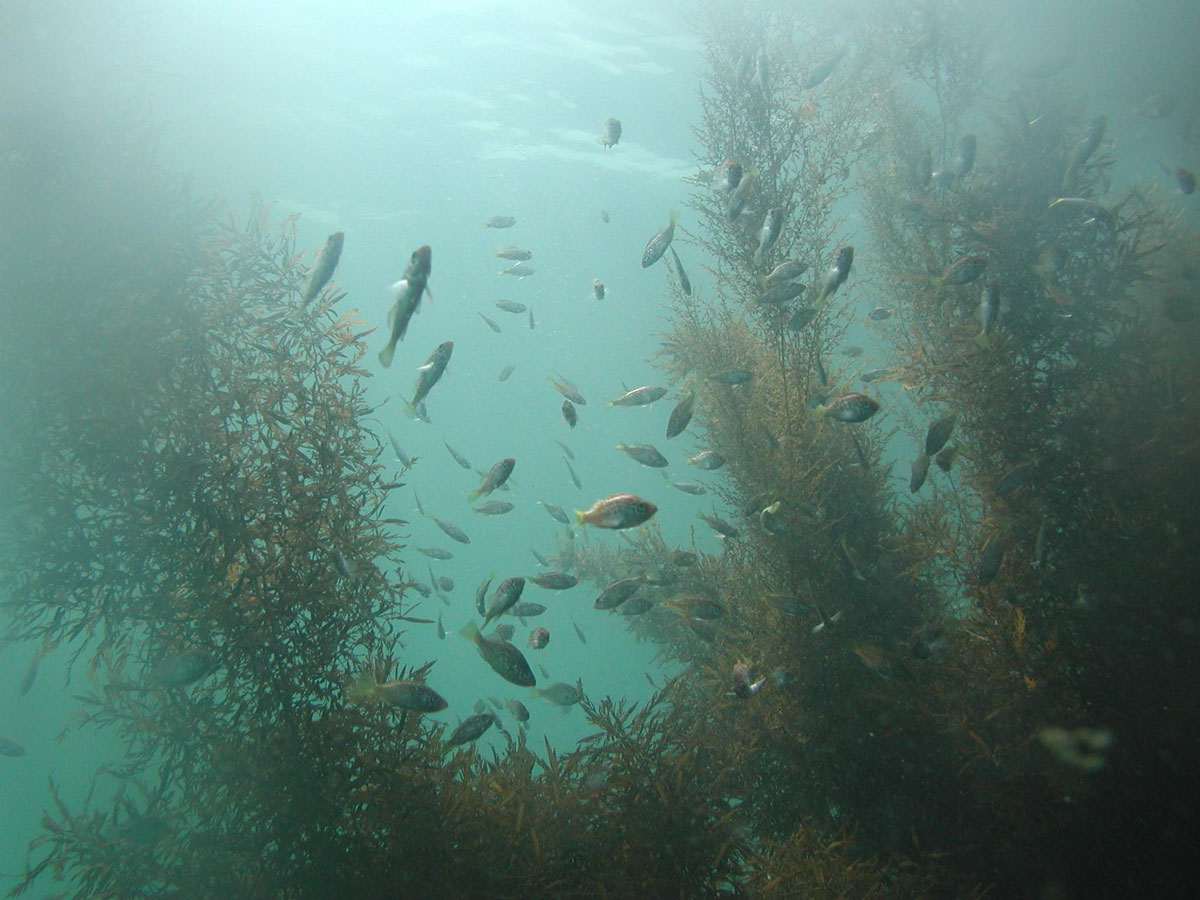
Coexistence with the marine environment is also a key priority for KIX, the world's first airport built on an artificial island. By designing the seawalls with sloped embankments, KIX provides an environment where seaweed and marine life can thrive. Because seaweed absorbs CO2 and stores the carbon as “blue carbon,” the airport actively monitors and cultivates these ecosystems, and blue carbon credits have already been issued as a result of these initiatives.
For an airport to grow and evolve, as well as maintaining a social license to operate in its local community, it has to put such initiatives at the heart of its mission, Mr. Ikeda concludes. With a comprehensive, collaborative approach and the support of partners like ORIX, Kansai Airports is demonstrating how airports can lead the way to a more sustainable future in our increasingly urban society.

