Special Interview: Japan & APAC Business

Driving Growth Through Integrated Japan–APAC Operations: Leveraging ORIX’s Expertise in Japan
and Local Business Foundations
Satoru Matsuzaki (right)
Member of the Board of Directors, Representative Executive Officer, Deputy President
Chief Operating Officer, Japan & APAC Business Unit
Maoko Kotani (left)
Economic Commentator
How will ORIX grow its APAC business under a new management framework? Business and economics commentator Maoko Kotani spoke with Satoru Matsuzaki, COO of the Japan & APAC Business Unit, about ORIX’s growth strategy — one that combines Japan’s customer‑centric business development with the networks and business foundations built across the APAC region.
ORIX’s Strategy for Expanding into Neighboring Fields and Business Domains in APAC
Kotani: I understand that under the recent organizational restructuring, ORIX’s businesses across the Asia‑Pacific region — including Japan — are now operated in an integrated fashion as the Japan & APAC Business Unit. How do you view the APAC region?
Matsuzaki: I see APAC as a region with exceptionally high potential. But potential alone does not translate into growth. APAC offers major opportunities — driven by demographics, economic growth, advancement in financial sector capabilities, and infrastructure development, yet regulations, business practices, and corporate cultures differ significantly from one country to another. That is why it is essential to apply the diverse expertise and know‑how we have cultivated in Japan in ways that fit each market’s environment and customer needs.
Kotani: To leverage ORIX’s Japan expertise across APAC, how the organization is structured and managed must also play a key role. As organizations grow, regional units often become siloed, and cross-functional collaboration tends to weaken. How do you plan to share expertise and strengthen coordination?
Matsuzaki: Until now, each regional office within APAC has operated independently, focusing on growing its respective businesses. Those efforts have brought us to where we are today, but going forward, we need to capture opportunities adjacent to our existing businesses and expand into new growth areas. Since becoming COO, I have focused on communicating a single direction across APAC rather than sending different messages to each regional headquarters. Specifically, in Southeast Asia, I have emphasized the importance of a mindset shift — the belief that “We can do more.” As the economies of these markets continue to grow, I encourage our teams not to limit themselves to their current business areas such as auto leasing or finance leasing but to broaden their business domains by applying the adjacent‑domain expansion mindset we have cultivated in Japan and by leveraging successful examples from other regions.
Kotani: So rather than moving away from the businesses built to date, the idea is to enhance the foundations already in place while developing new pillars of growth. Capturing new opportunities will likely require changing the mindset of local leaders and frontline teams.
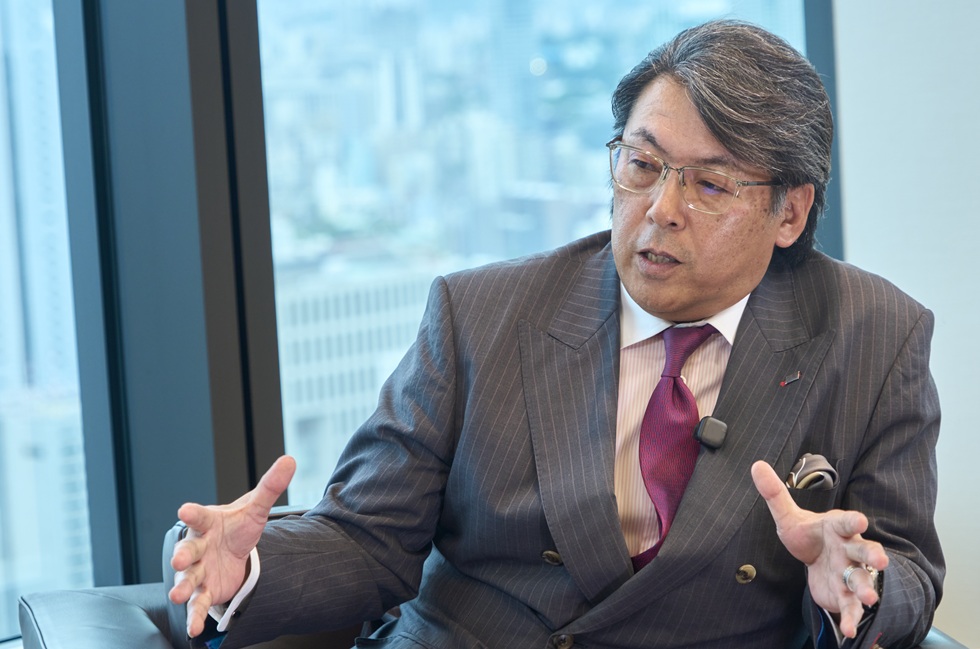
Matsuzaki: Many of our local subsidiaries have 40 or 50 years of history. They have earned trust in their markets by steadily executing plans agreed upon with Tokyo headquarters. We value that track record, but for future growth, we must reaffirm ORIX’s DNA — that new businesses emerge from the free ideas of people on the front line. I want teams to bring forward ideas they find exciting. That is why I repeatedly emphasize: “Don’t focus on why it can’t be done — think about how it can be done.” Local teams must identify their own business opportunities in adjacent areas and actively pursue them. It may seem that there is plenty of time and opportunity, but amid Asia’s ever‑accelerating growth, quick decisions, swift action, and leadership that sets the pace are essential. I have endeavored to convey this message directly.
Kotani: You mentioned wanting frontline teams to identify business opportunities. Does this reflect ORIX’s corporate culture of empowering local teams?
Matsuzaki: In part, yes. But we do not grant authority or discretion from the outset. ORIX’s origins are in leasing and finance, so we are more cautious with new deals than you might expect. However, when it comes to protecting and recovering assets, waiting for headquarters approval can mean that a ship or aircraft used as collateral has already moved far away. In such situations, we allow local teams to make quick decisions based on circumstances and report afterward. This has fostered a culture where local teams think and act independently. Because we have this frontline‑driven DNA, we now want APAC teams to generate bottom‑up ideas for business expansion, while sharing the know‑how and resources cultivated in Japan to drive APAC’s growth.
Building ORIX’s Competitive Advantage in the Global Market Through APAC Networks
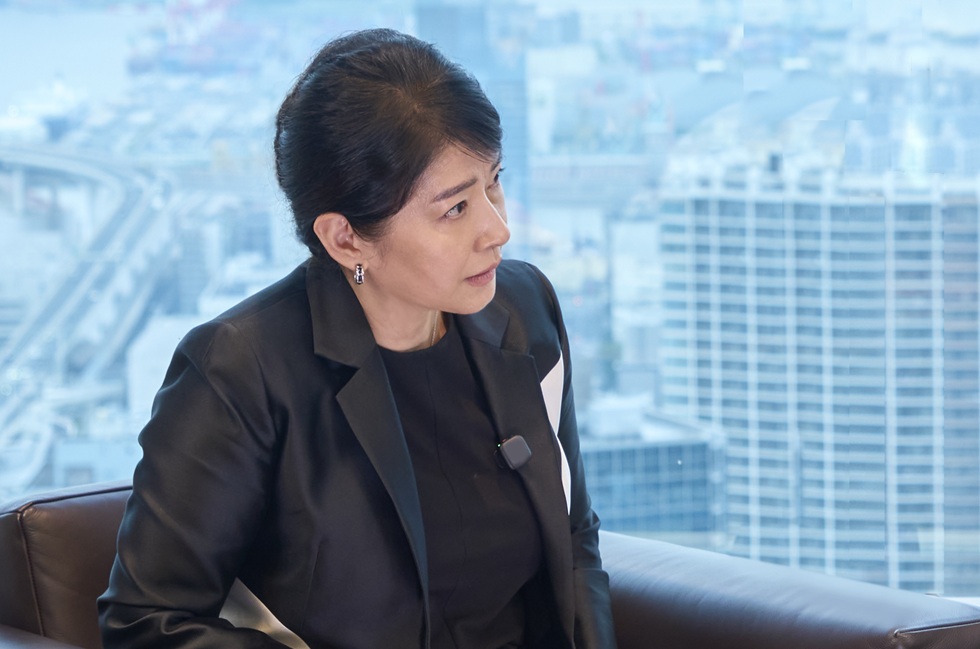
Kotani: ORIX has developed two business models in Japan over the years. I’d like to begin with the Alternative Investment & Operations Model. Competition for deals in private equity has intensified, especially against global funds. In that environment, what is the significance of operating APAC as an integrated unit when it comes to driving the sustainable growth of portfolio companies?
Matsuzaki: ORIX’s private equity business has enhanced corporate value by working directly with the management and frontline teams of portfolio companies to refine their business strategies and operations. Rather than relying on short‑term methods such as workforce reductions, we have focused on supporting the long‑term growth of the businesses themselves. This approach is highly valued by potential investees in the market, and the deal information we receive is on par with that received by major global funds in both quality and volume. In fact, we are often approached precisely because of this reputation. In today’s market, valuations for potential investment targets have risen, placing greater demand on our ability to create value. Beyond our traditional hands‑on management support, the ability to craft a growth strategy that includes overseas expansion and new partnership development has become a critical factor in winning deals. This is where we expect the APAC network and partnerships to become a major strength.
Kotani: The APAC network and business foundations that ORIX has built over the years can serve as powerful assets for the overseas expansion and growth of portfolio companies. That could become a significant source of value in the future.
Matsuzaki: When a company we invest in seeks to expand into the APAC region, it can tap into the business foundations of our local subsidiaries, which have built trust and track records over decades in each market. In the past, even when the PE Investment business considered overseas expansion for a portfolio company, coordination with local entities sometimes took time. Going forward, collaboration with ORIX’s local subsidiaries will become much smoother. As the scope of growth support for portfolio companies expands in this way, I believe it will further evolve our Alternative Investment & Operations Model. Another important theme will be developing an asset management‑type business — not relying solely on our own capital but also utilizing third‑party capital.
Kotani: I see. That strength is precisely why ORIX was able to establish a PE fund with QIA, the Qatar Investment Authority, which has shown strong interest in investing in Japan. Even if the fund focuses primarily on investments in Japan, the APAC network and business foundations will likely become major advantages when considering the growth of portfolio companies. Will ORIX also expand the use of third‑party capital by leveraging this capability to support portfolio company growth?
Matsuzaki: The fund with QIA has committed USD 2.5 billion in equity, and with leverage, the enterprise value of target companies could approach one trillion yen. We aim to execute new investments early and expand the growth opportunities of Japanese portfolio companies across the APAC region. Through these efforts, we help our portfolio companies grow and address their challenges — a distinctive strength of ORIX that pure‑play PE funds cannot replicate.
Expanding APAC Business Domains Through Customer Dialogue
Kotani: Let’s turn to the second business model — the Business Solutions Model. In Japan, ORIX has expanded our business into new areas by identifying customer issues through direct dialogue. Overseas, however, customer needs and business practices differ significantly. How do you plan to expand this model across APAC?
Matsuzaki: In Japan, leasing and loans give us regular touchpoints with customers and opportunities to hear directly about their management challenges. By reviewing customers’ financial statements together with their management teams and engaging in ongoing dialogue, we identify issues such as inventory management, cash flow, capital investment, and business succession. Pursuing solutions to these issues has led us to create new services and develop a wide range of businesses. This is the essence of our Business Solutions Model. Overseas, many transactions are conducted through dealers, and finance leases are often provided as standalone services. As a result, customer contact can be indirect. That is precisely why deepening our dialogue with customers — and gaining a clearer understanding of their issues and needs — will be essential.
Kotani: More specifically, what kind of expansion do you envision?
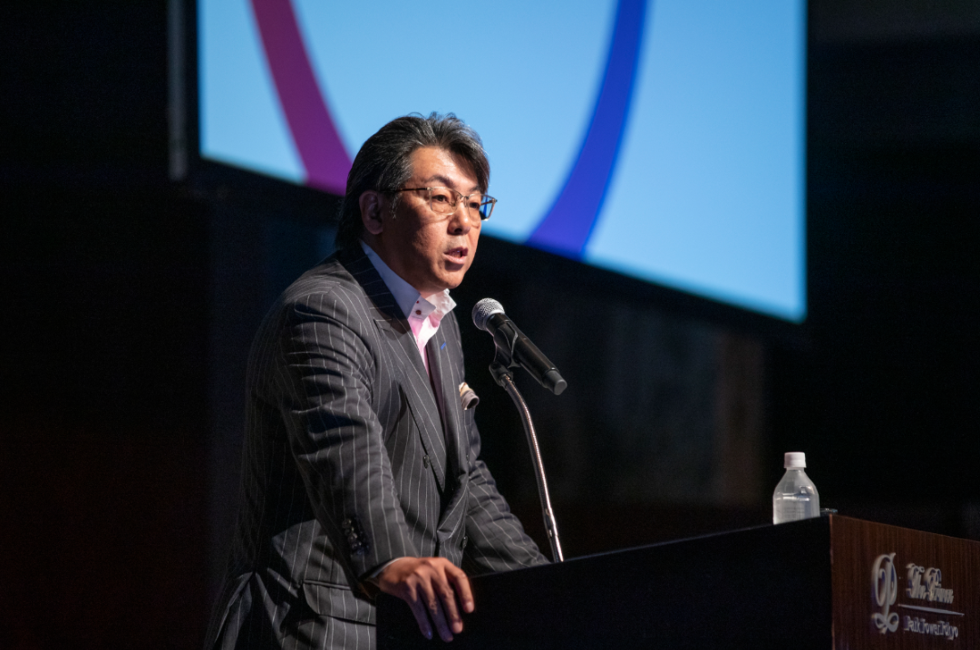
Matsuzaki: Take automobile leasing, for example. In Japan and Australia, we offer a one‑stop model that combines leasing with maintenance services, tire replacement, and insurance. In other regions, however, these peripheral services are handled by external providers. We will consider whether we can deliver the services customers need as an integrated offering — and if that is difficult, partnerships or M&A will become options. By expanding into adjacent services that enhance customer convenience, we aim to further strengthen our business solutions capabilities.
Kotani: So local subsidiaries are expected to look beyond their current business domains and actively seek out new opportunities. But instilling that mindset at the frontline is perhaps not that simple?
Matsuzaki: Simply telling local teams, “Think this way” from headquarters will not make the approach take root. We need to understand local conditions and engage as closely as possible with local operations. It is essential to embed this mindset throughout the organization, down to its very capillaries, so to speak. Local teams in each country must listen to customer voices and translate those insights into business growth. I expect it will take three years for this mindset to fully take hold, and five years for results to appear in the numbers. That is why we are acting with full commitment now, carefully identifying where growth opportunities will emerge toward 2035.
Identifying Priority Areas to Capture Future Growth Opportunities
Kotani: Even within APAC, market environments and stages of economic development differ greatly from country to country. Some are development markets, while others are still building their infrastructure. With an eye to future growth, which countries or regions are you particularly focused on?
Matsuzaki: We have set high priority on Australia and India. Australia is a developed economy with legal systems and business practices that make it easier to execute deals. ORIX already has a well‑established business foundation there. India, on the other hand, is not a market where we intend to expand investment in the near term. Rather than immediately expanding investment, we see India as a market where we should strengthen our business foundation and networks in anticipation of future expansion. Given its demographics and economic growth potential, full‑scale business development will require time and preparation. That is why waiting until opportunities fully emerge would be too late; we need to prioritize India now and begin laying the groundwork.
Kotani: How about other Southeast Asian countries?
Matsuzaki: In Southeast Asia, it is essential to examine the realities of each country carefully. Take Indonesia, for example. Challenges such as infrastructure and power supply constraints can limit business execution. But the very issues that arise alongside economic development can create new business opportunities in problem‑solving domains. In Thailand, market maturity has progressed to the point where simply growing our existing businesses no longer improves profitability as easily. However, I see growth potential in areas that ORIX has not yet fully explored. With advances in IT and digital transformation, information asymmetry has narrowed, making it easier than before to identify growth opportunities. What matters most is assessing local conditions in each country and determining which businesses to expand, in which markets, at what timing, and in what manner.
Talent Mobility and Organizational Culture Supporting Unified Operations
Kotani: To integrate the strengths of APAC and Japan and advance unified operations, talent development will also be essential. From a talent perspective, what are you focusing on?
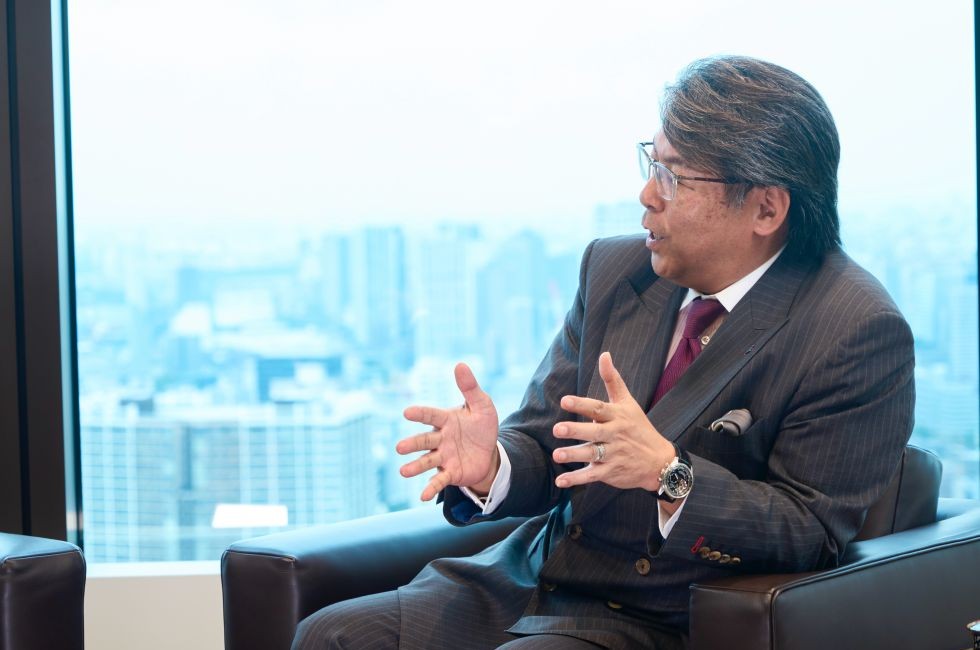
Matsuzaki: I believe flexible personnel rotation is highly effective. In the past, the more capable and valuable the talent, the more likely they were to be held tightly within a single organization. It is natural for headquarters not to want to let go of exceptional people. But that leads to talent only growing within one business domain. Waiting until someone emerges as a potential senior leader to rotate them through different roles is too late to develop leaders with a broad perspective. We need to expose people to multiple businesses and regions at an earlier stage, so they can develop wider viewpoints and diverse experiences. Those who accumulate such experience become talents that can contribute both to creating new businesses and reinforcing existing ones.
Kotani: So, you want people to gain cross‑business and cross‑regional experience earlier, before they become executive candidates. That kind of talent mobility seems likely to have a positive impact on the organization as a whole.
Matsuzaki: When people move to a new department, they can leverage the knowledge and networks they built in their previous roles. Moving people is not the only way. By forming task forces that cut across organizational boundaries, we can address cross‑functional themes that individual headquarters might overlook while pursuing their own missions. The insights gained there can then be brought back to each office and translated into new business development. Whether through personnel transfers or by bringing people together for a common project, it is essential to share the knowledge and expertise found in each country or business domain across the organization so they can be fully leveraged. These accumulated efforts lead to the creation of new businesses and strengthening existing ones. This, in my view, is the talent strategy that underpins unified operations between Japan and APAC.
Kotani: It seems the role of the Japan & APAC Business Unit will only become more important as part of the broader growth strategy toward 2035. Listening to you, I feel strongly that ORIX must continually create the next growth opportunities rather than staying on the current trajectory. At the same time, I can feel a strong sense of urgency from you. Your comments suggest a mindset of never being satisfied with the status quo and always searching for the next opportunity. What is behind that sense of urgency?
Matsuzaki: For ORIX, 2035 is an important milestone, yet it is still only a waypoint. For us to continue developing sustainably beyond that, we must keep capturing the next growth opportunities. ORIX is not a company that can continue growing on a single product or specific service. Past successes will not necessarily translate into future growth. That is what gives me such a strong sense of urgency. That is precisely why it is essential to continually identify new opportunities through dialogue with markets and customers on the front line — and, when necessary, redefine our core business, shifting the center of gravity from one domain to another. We must treat change as an opportunity and translate it into new businesses and new value. The CEO and COO must lead by example, and local teams must independently recognize change and connect it to new business opportunities. These efforts are indispensable for ORIX to continue growing.
Kotani: Never resting on past success, always searching for the next growth opportunity — this sense of urgency is what supports ORIX’s sustainable growth. It makes the future all the more exciting.
Matsuzaki: We will continue taking on new challenges. I hope you will look forward to what comes next.
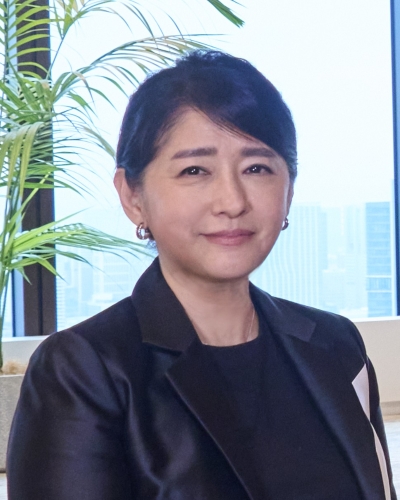
~Reflections on the Discussion~
Maoko Kotani
Economic Commentator and Journalist. Former main anchor of TV Tokyo's World Business Satellite.
Over the course of her career, she has extensively covered economic affairs and corporate management in Japan and around the world. She currently serves as an outside director of several companies in addition to her media activities.
What impressed me most during this discussion was ORIX’s culture of creating new businesses through dialogue with customers and employees at the front lines. Rather than judging initiatives solely by their immediate outcomes, the company encourages new challenges and continuously builds on the lessons learned from each experience to make sound decisions. I came away with the understanding that the management team’s ability to preserve and pass on this culture has been a key source of ORIX’s competitiveness. Building on this foundation, the APAC business is now shifting toward a more integrated management structure across country operations. At the same time, a clear message is being communicated: not only to protect existing businesses, but also to pursue new business opportunities. Even within the private equity business, which is highly regarded by the market, ORIX has indicated its intention to create greater value than ever before. Leveraging the joint fund with QIA as a platform, the company aims to support the overseas expansion of portfolio companies by utilizing its extensive network and business foundation across Asia. I look forward to seeing how ORIX takes on the challenge of achieving its ambitious 2035 targets of a 15% ROE and ¥1 trillion in net income.